the ai-free way to photograph food for your small business
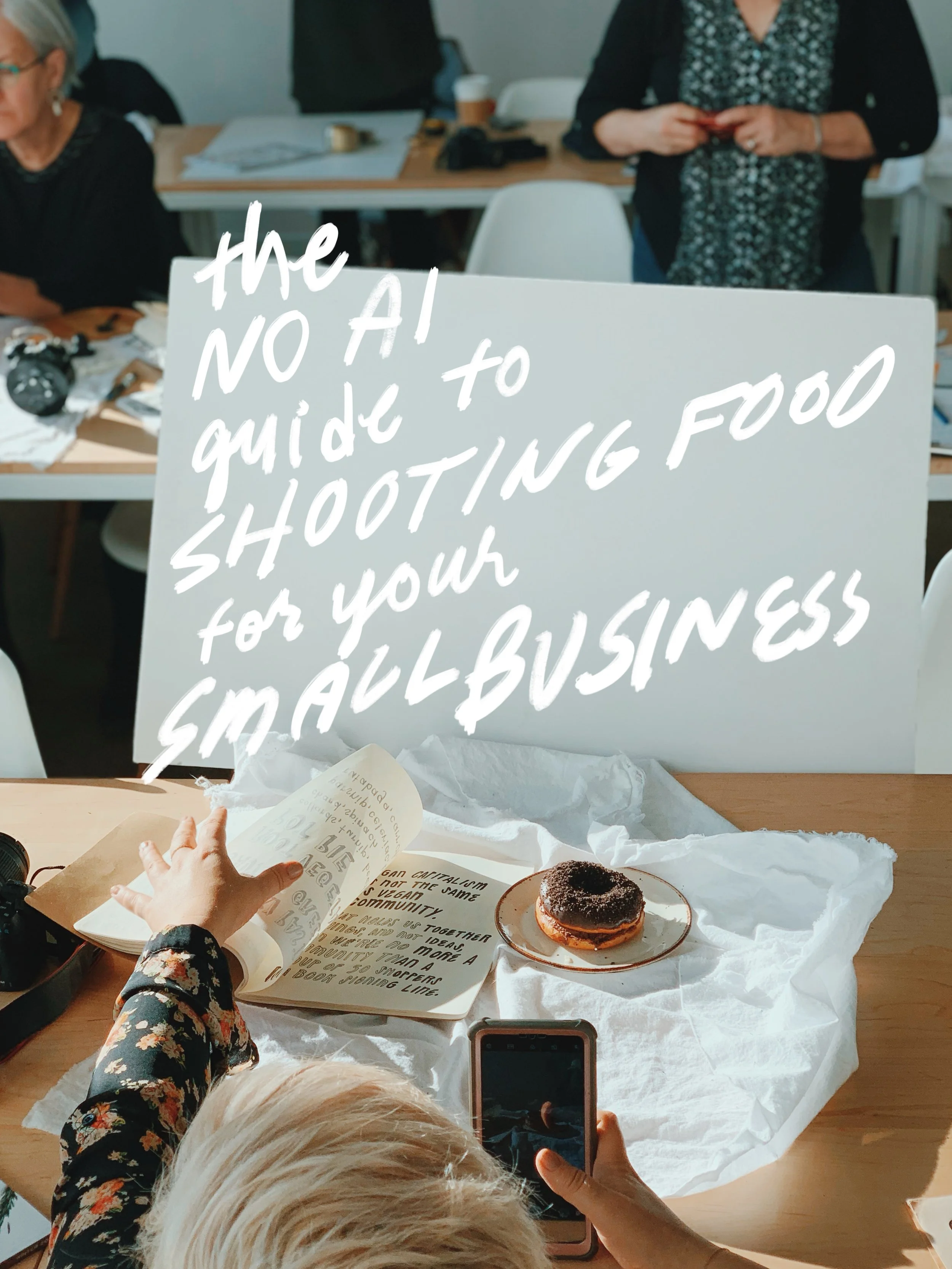
I see you, local business owner. You’re stretched thin, margins are beyond tight, you’re constantly putting out fires. I understand the impulse to turn to AI for your fliers, Instagram posts, signage, and all the little images you need in person and online. It feels like a welcome shortcut to your packed weekly to-do list.
But using AI has become a massive liability as the debate around it grows. The trends online show that authenticity means everything right now, especially because of AI itself. Being real, even if it’s not perfect, is so important in an era of lies, fakes, and political swindling.
That absolutely doesn’t mean that your weekly list has to be even more stuffed by not using AI. By learning a couple valuable tips, you can have a lifetime of skill that you can take with you to any business, no matter how tech changes.
why ai won’t help you
AI is neither artificial nor intelligent. It’s created by massive corporations to get our data, both to steal from creators and to “guide” you as a consumer. It finds the lowest common denominator imagery from around the internet and copies it to “create” new images and design for you, but it’s not realistic, correct, or accurate to what YOU are making. You can either generate a flier with chocolate chip cookies that look bizarre and like every other AI image, or take your own photos of your chocolate chip cookies. Which would your customers prefer?
besides the regular AI downsides…
the expansion of data centers to make AI happen
the fact that AI is made up of 100% stolen work from artists, photographers, musicians, writers, and more
it’s often completely incorrect about basic information
the owners of AI platforms are purely motivated by money and control. By using AI, you’re saying that you don’t mind putting your business (or life) into the hands of Sam Altman or Mark Zuckerberg. They don’t care about you or your business, and have already been found to be using tech to create harm.
your mind isn’t as sharp after using AI for even a short amount of time
…AI is also bad for your business.
Especially right now, authenticity beats perfection over and over again, both online and in person. People are sick of the lies and confusion of current politics and the online space. By creating real imagery, you show up authentically and uniquely you.
Every flier, every food image, every design - looks exactly the same. do you really want to look identical to your competition? Every spot in your photos and design is an opportunity to strengthen your brand. Real photos show your space, food, people - something customers want to see and find trust in.
Every image is uncanny-valley bizarre, especially with food. Food specifically needs to look fresh, appetizing, and realistic to what the customer should expect.
AI loses customer trust. If you’re a customer, would you trust a restaurant that uses AI images over one that shares real photos? Would you trust AI images on online clothing shops to show you an accurate fit, or even that it’s a real product?
You lose the ability to learn core marketing skills (basic photo and design) by choosing AI. By learning for yourself, or hiring someone, you can create imagery that makes sense for YOUR business, not just relying on tech corps who don’t know your vision.
Ultimately, why should a customer give you their hard-earned money if you can’t even bother to spend time/money to share your work accurately?
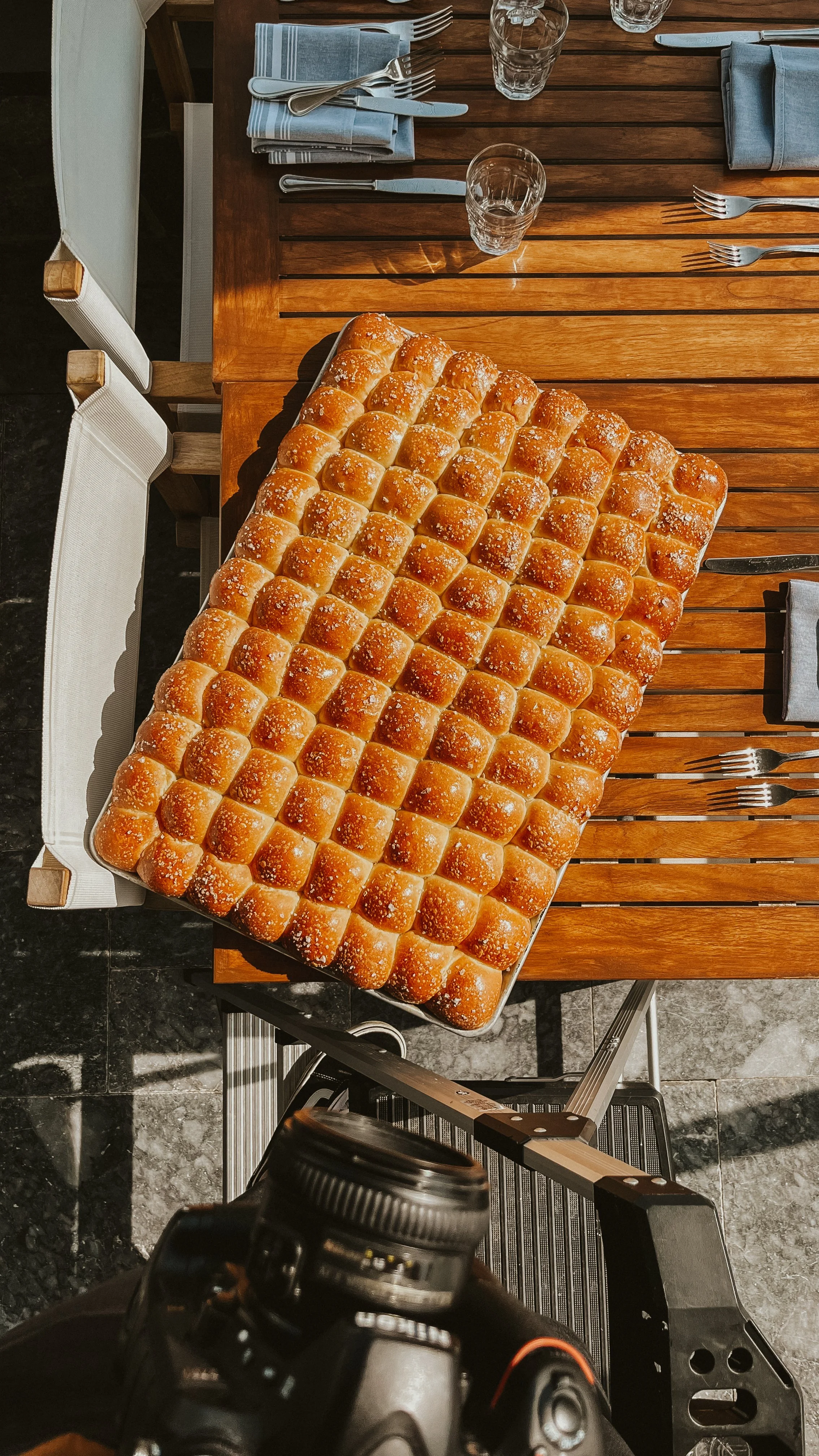
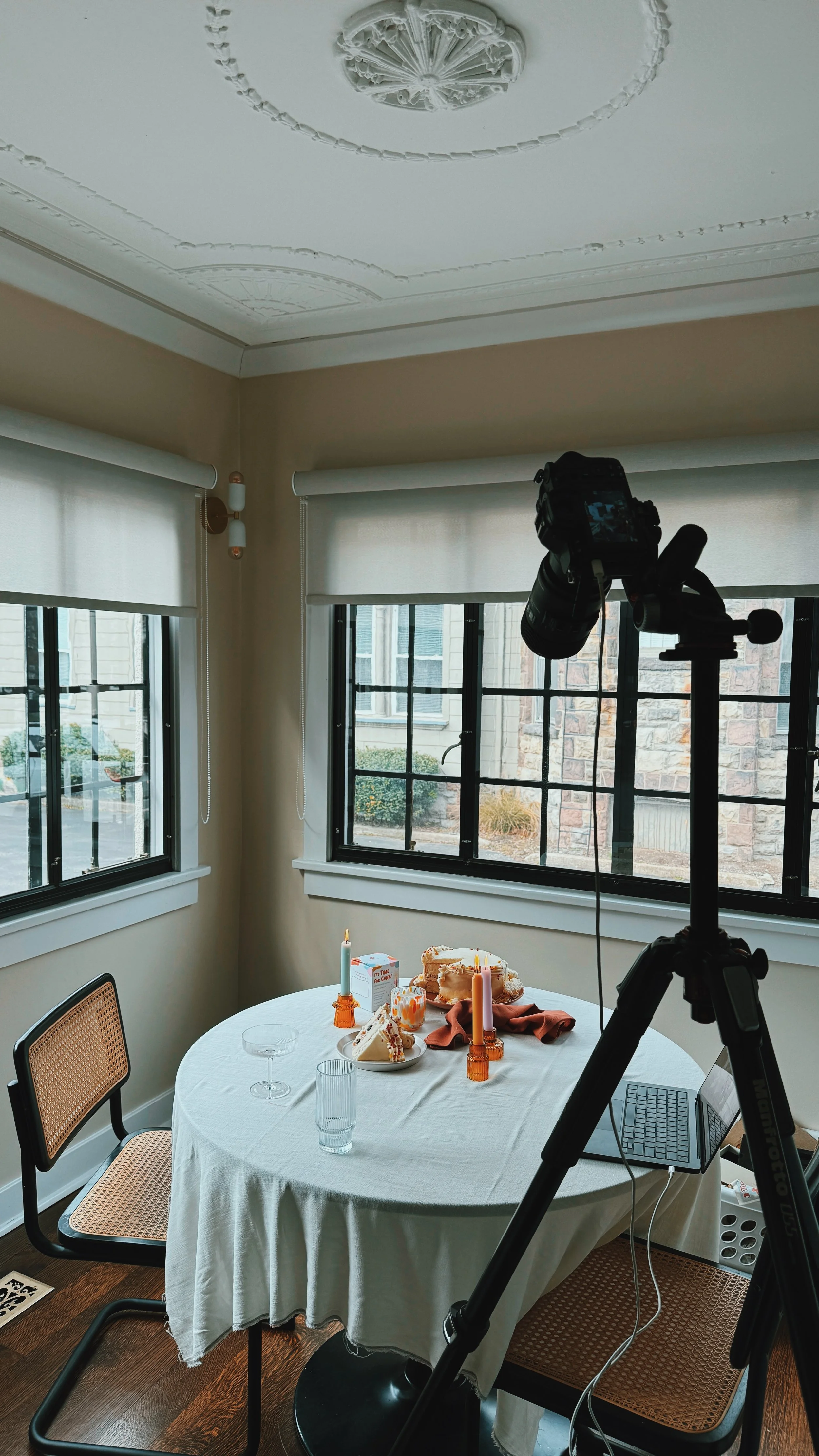
The biggest reasons I hear business owners use AI are that they don’t have time or money, and they don’t know how to make anything better. (Or, they’re just using AI to “clean things up”.) So I’m going to lay out how I quickly take photos and create designs, multiple times a day, despite having a lot of other responsibilities at the same time.
if you don’t have time or money
If you have one day a month you can photograph, you can do most everything you need. The only things you’ll need is your work and a semi-new cell phone camera.
make a shot list
a few dishes you want to highlight
your space
your people making food
best-sellers or other staple products
do a shoot once a month and/or shoot as you go
I like to do a dedicated shoot day once a month - cooking just a few things, but getting both photo and video. Then each week, I get shots as I’m able, especially helpful if you have specials or have a minute on your way out to get it.
Every business owner has a different schedule, but setting aside time for content each month is part of doing business, just like taking time out to do taxes or clean the kitchen. You’re putting time into ChatGPT just like you could put time into your marketing – make it real to gain customer trust and add value to your business.
work efficiently
Make images in between lunch/dinner service, before lunch, or on a closed day.
Get multiple shots at a time with the same dish. Say you have a slice of cake - get a shot of it on different tables, with a drink, on a tablescape with other dishes. Grab a few video clips at each spot. Capture the process of making the cake, slicing it, and plating it.
For easy video clips, turn Live Photos on in settings – you can convert these photos to video clips for videos later!
Make your camera a shortcut or an easy thing to access on your phone. I set my side button to open my camera, so it’s easy and fast to take.
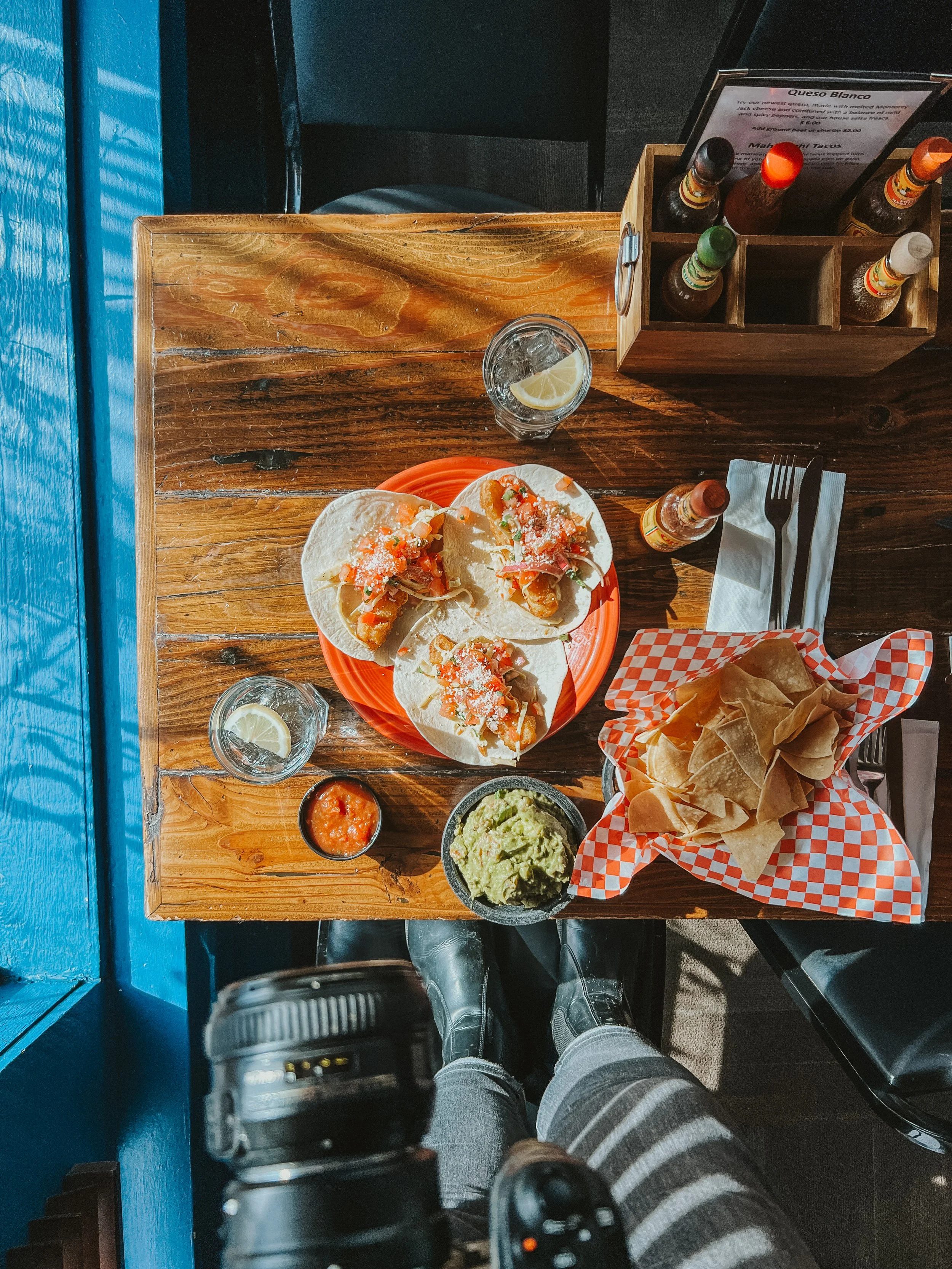
if you don’t have the skills (yet)
What makes the difference between a bad food photo and a good one, that entices people to stop by and try it?
Food is a sensory experience – we can smell, taste, touch, see, and sometimes hear food. Think: melting butter over a stack of pancakes or the sizzle of a grill. But in photos and video, a lot of those aren’t available. The goal for any good food photo is bringing those senses back, visually. (And, if making video, audibly as well.) Here’s how I make sure all my photos are great.
camera basics
Wipe your camera lenses!
Use a zoomed lens, like 2x, 3x, or 5x – not .5x or 1x. Phone camera lenses are very wide and distorted, which makes food look not realistic.
Go into your camera settings, and turn on the photo grid + level, to make it easier to shoot on level.
Tap your phone screen when shooting - to focus properly, and to make sure the exposure isn’t too bright or dark.
When you take your photos, add them to a folder in your camera roll to edit or post, whichever makes more sense for you.
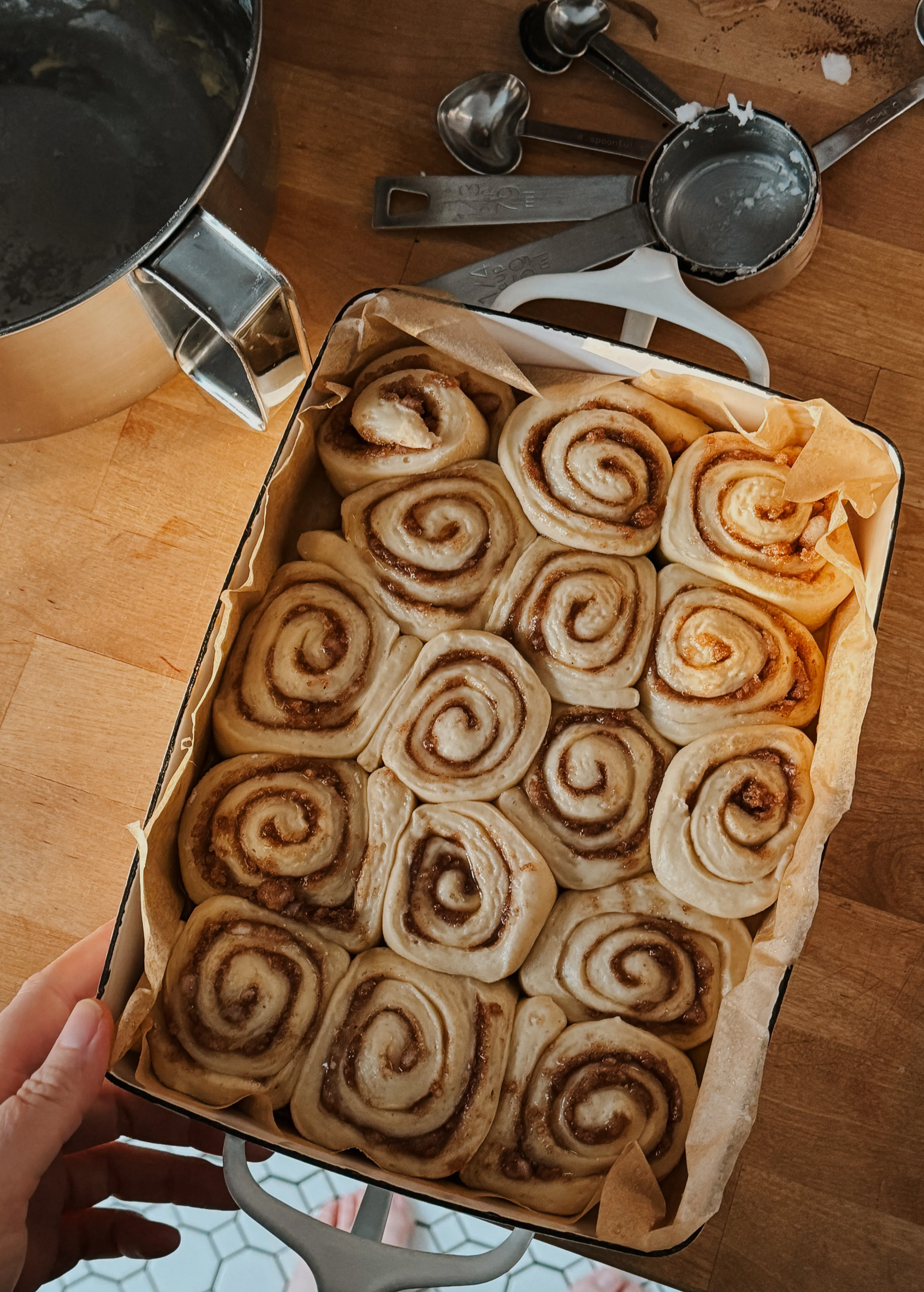
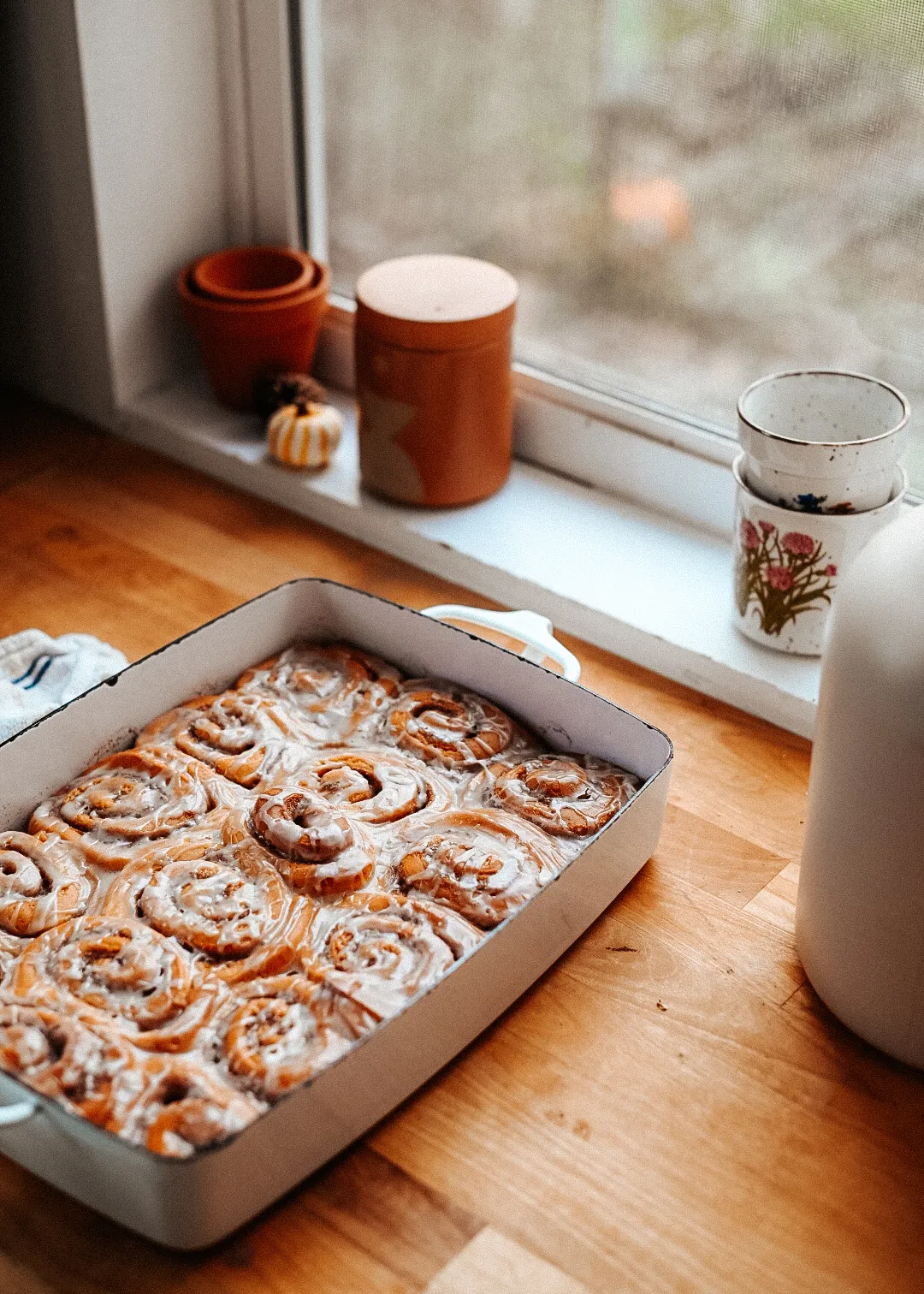
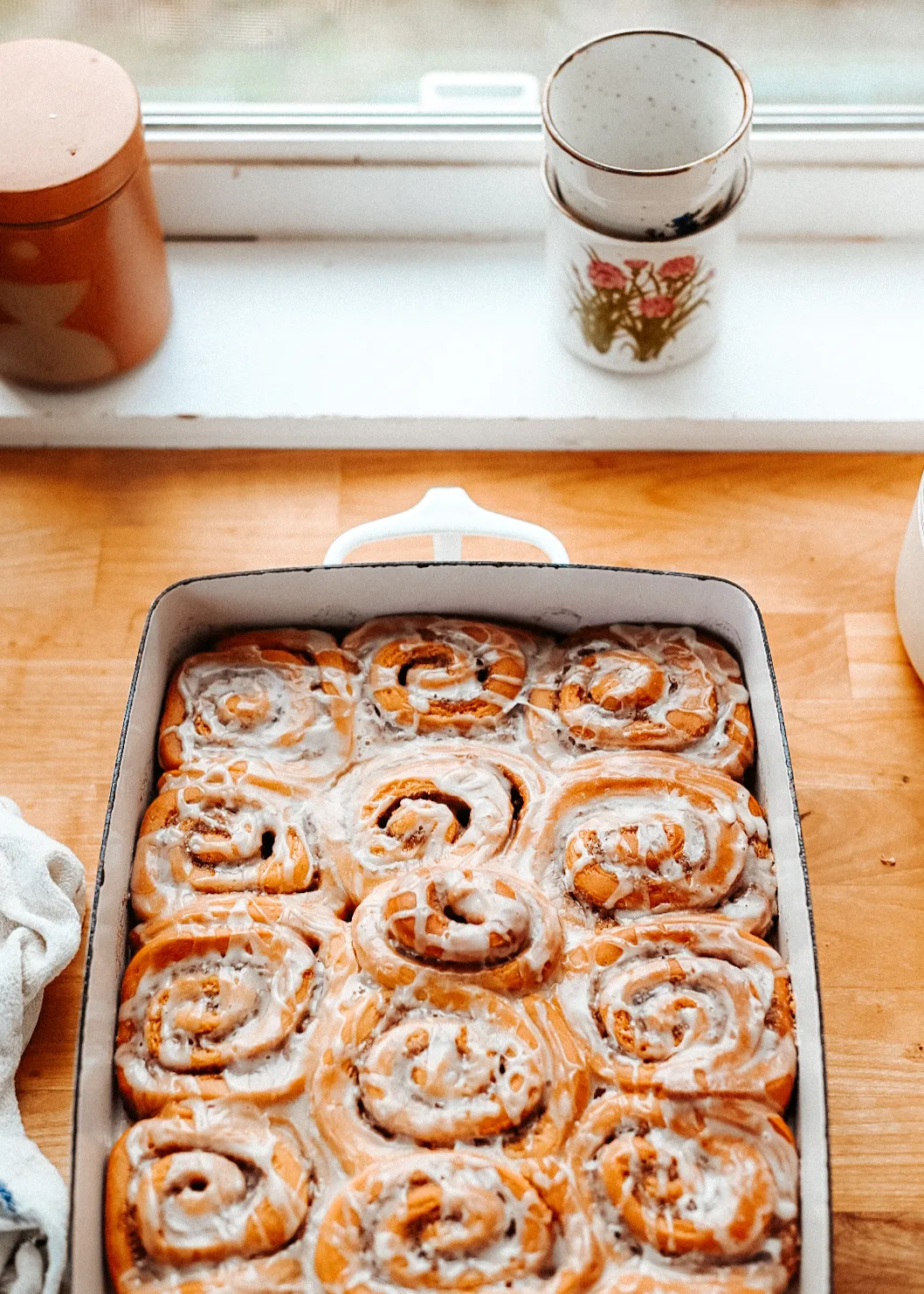
what is distortion?
on the edges of a frame, you’ll see parts of the image stretch, lengthen, and create weird shapes. this gets worse depending on the angle you shoot at, how wide your lens is, and where you place objects in your frame.
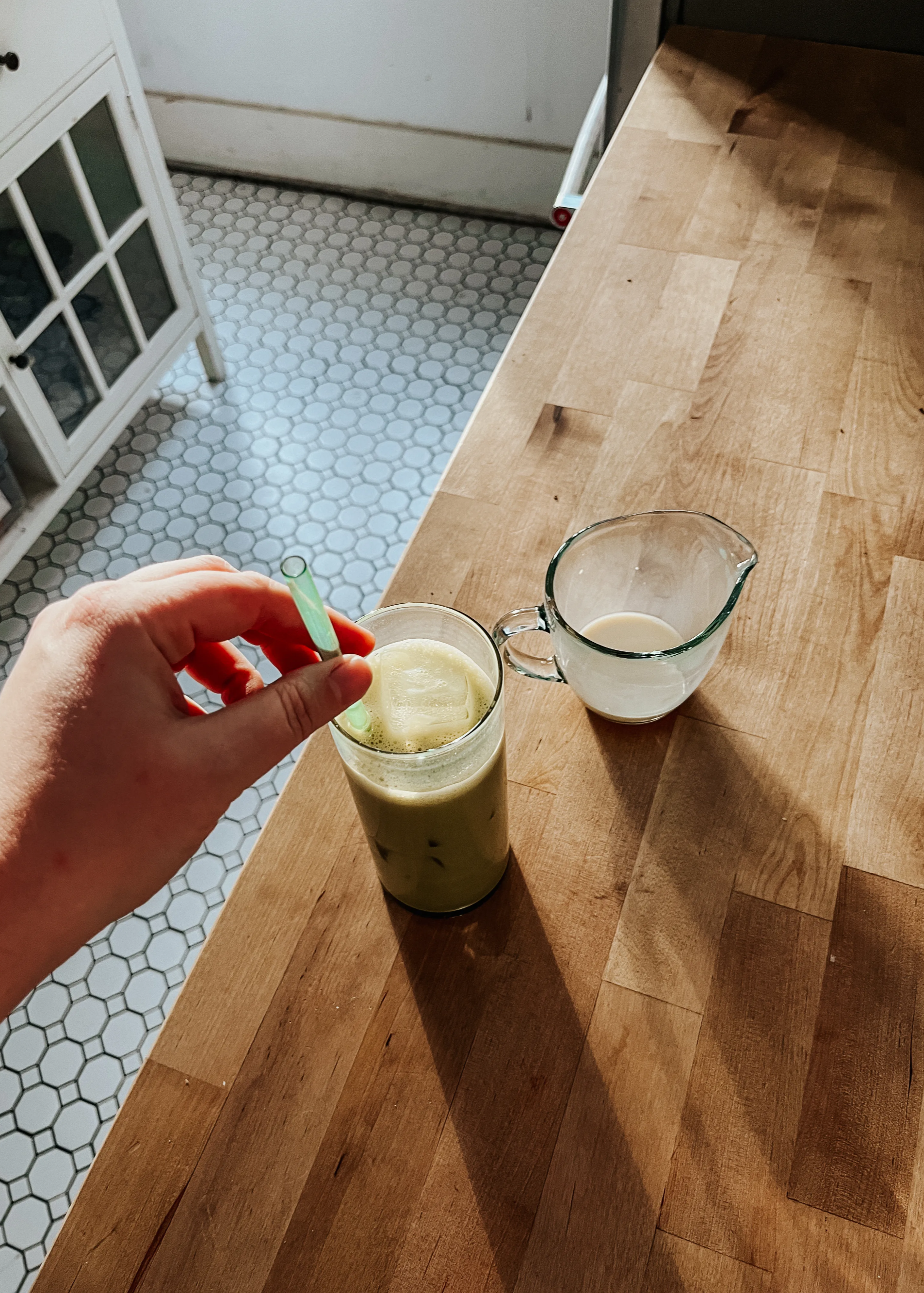
far away from the window, at a wide angle, not highlighting the texture or color of the food - lots of distortion
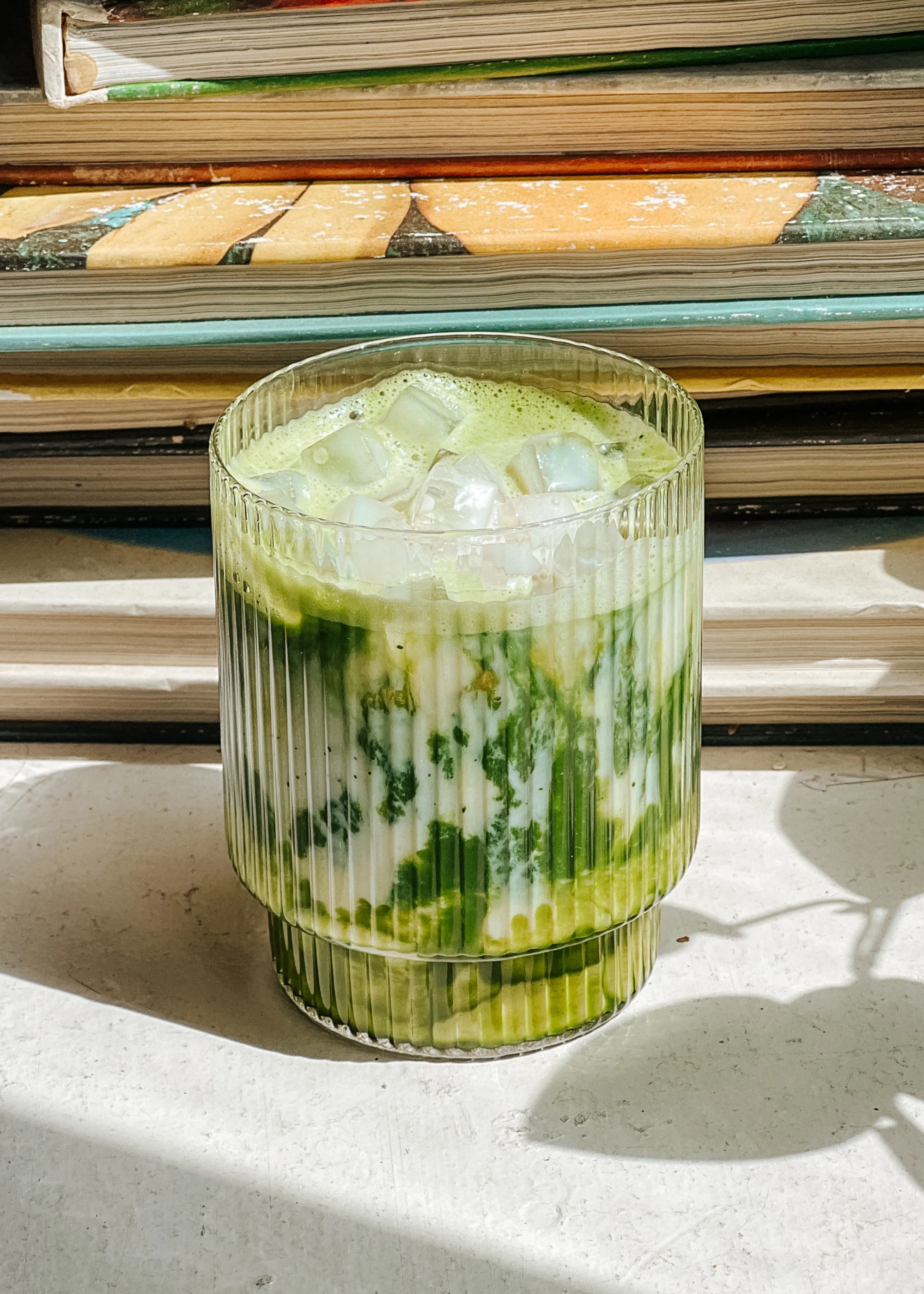
using a zoomed-in lens on the same phone camera, from a front level angle, in the full light - barely any distortion
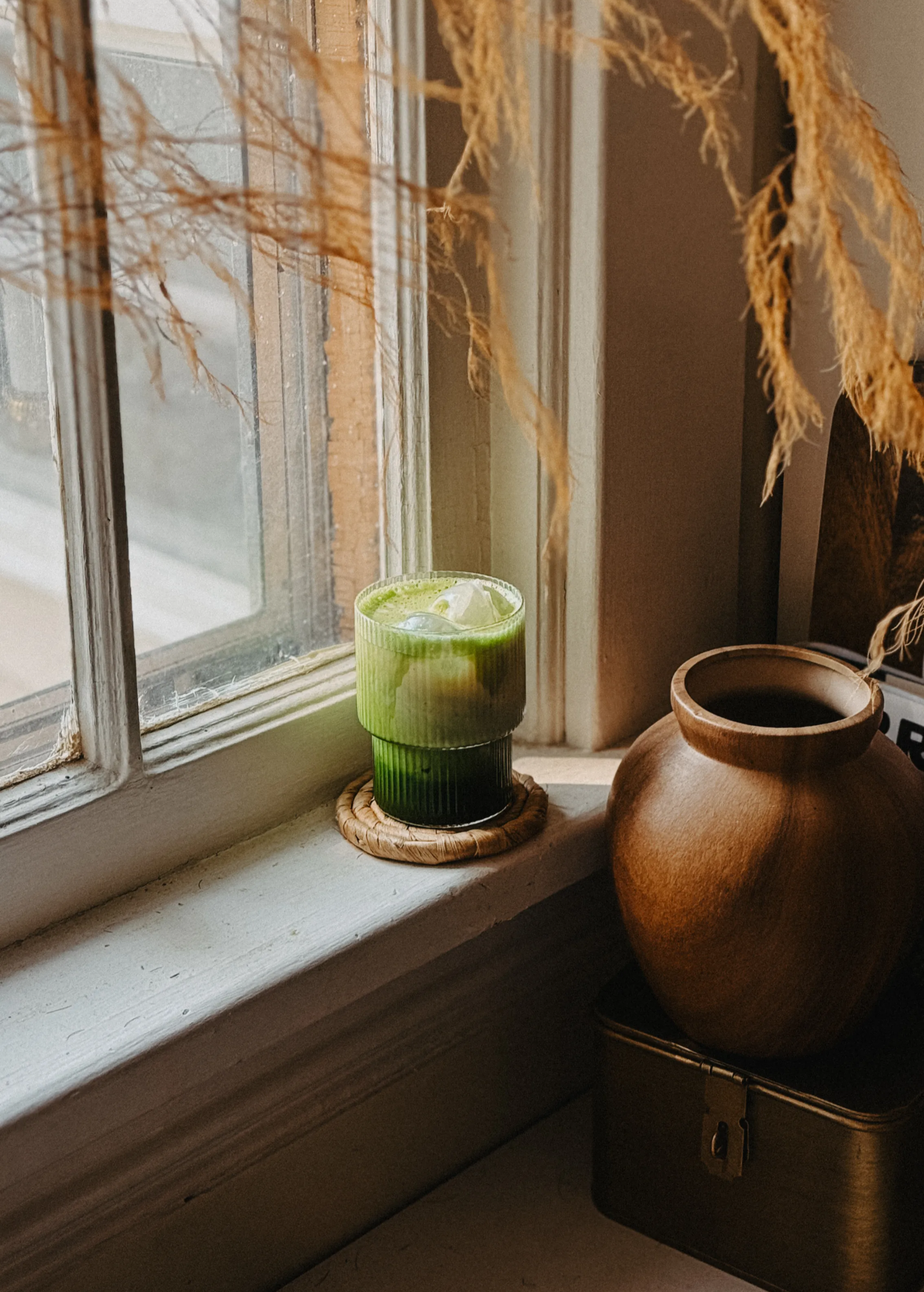
zoomed-in, but stepped further back, so still very little distortion. always level!
shooting food
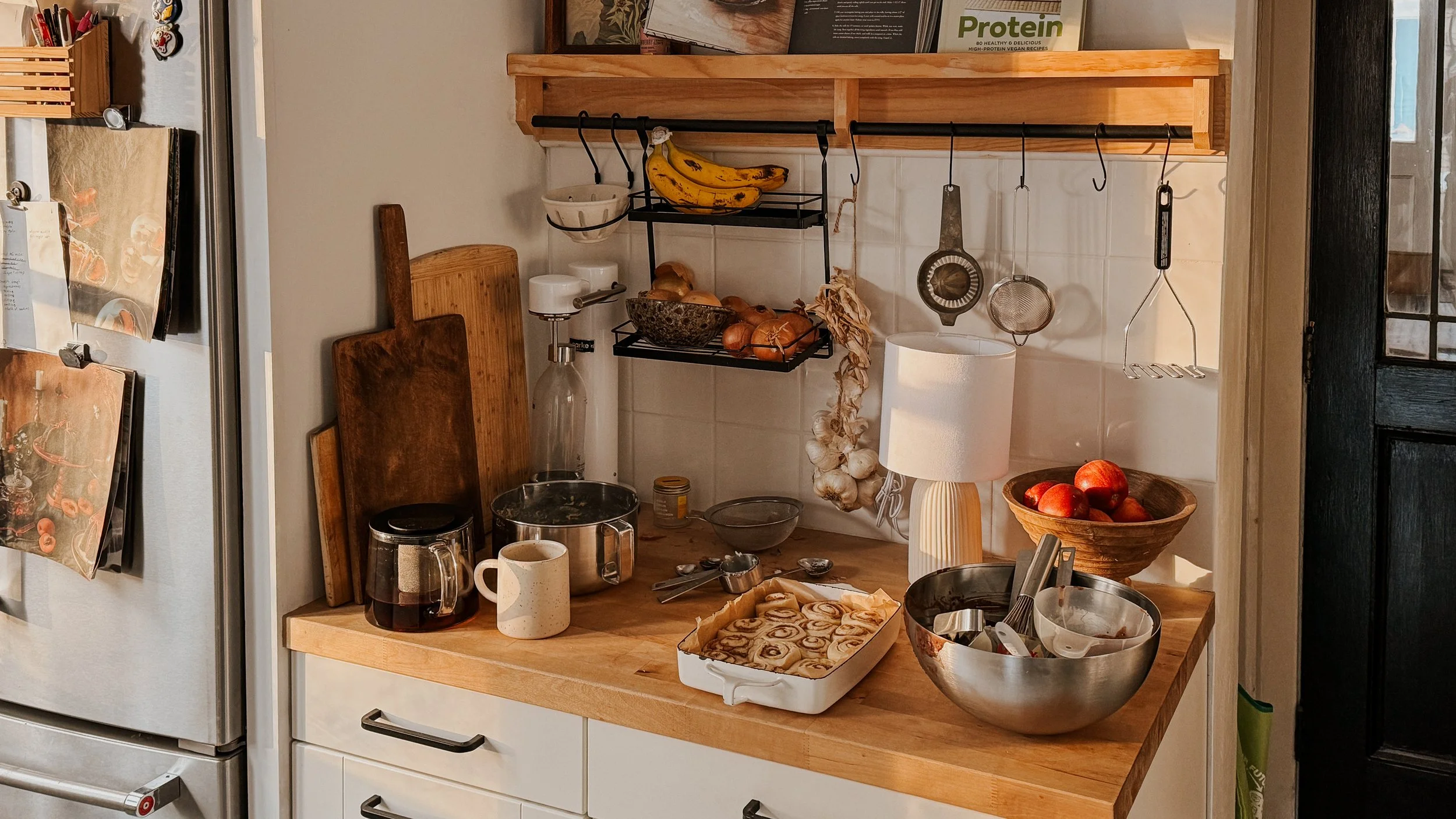
head over to any window
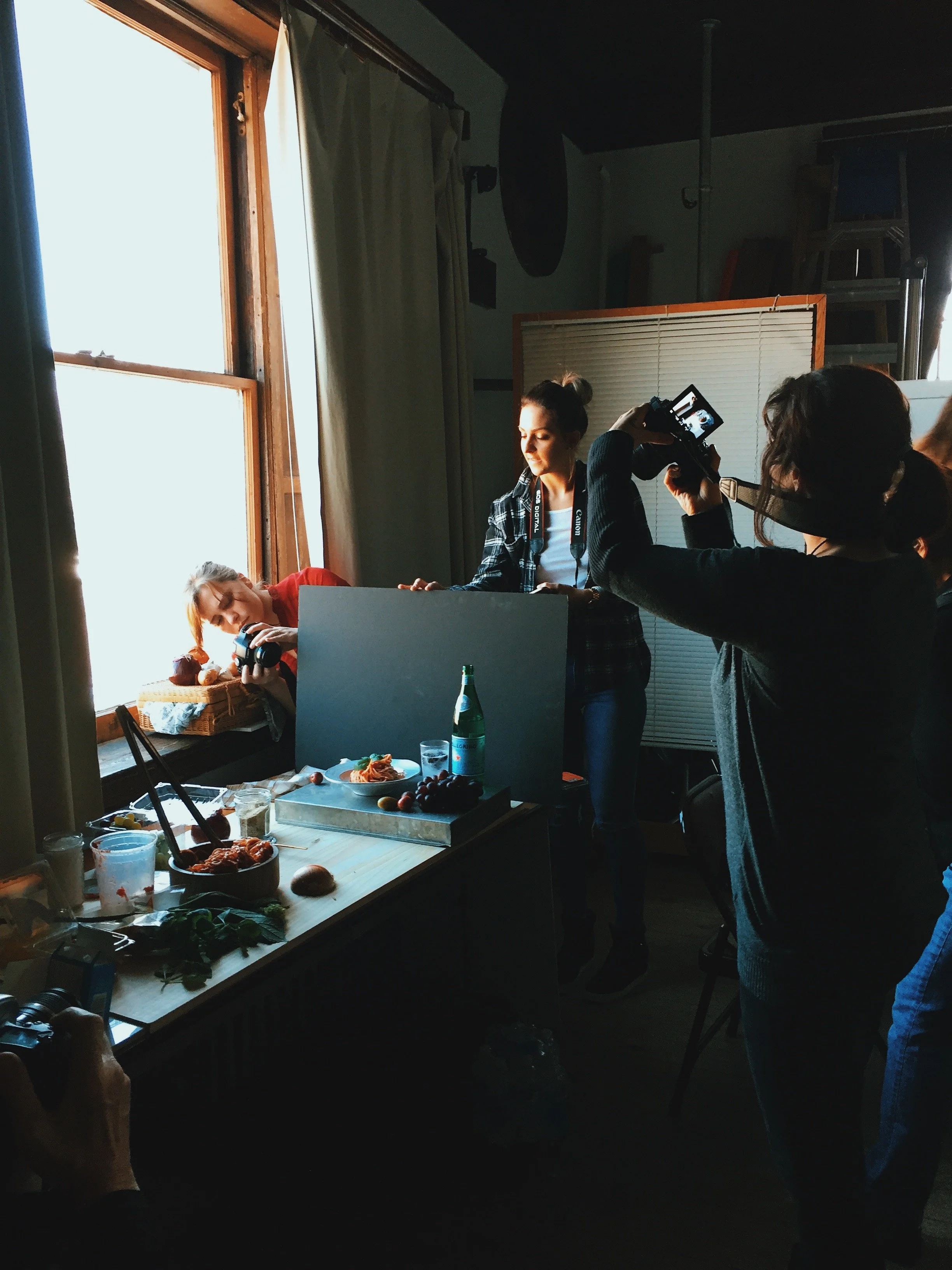
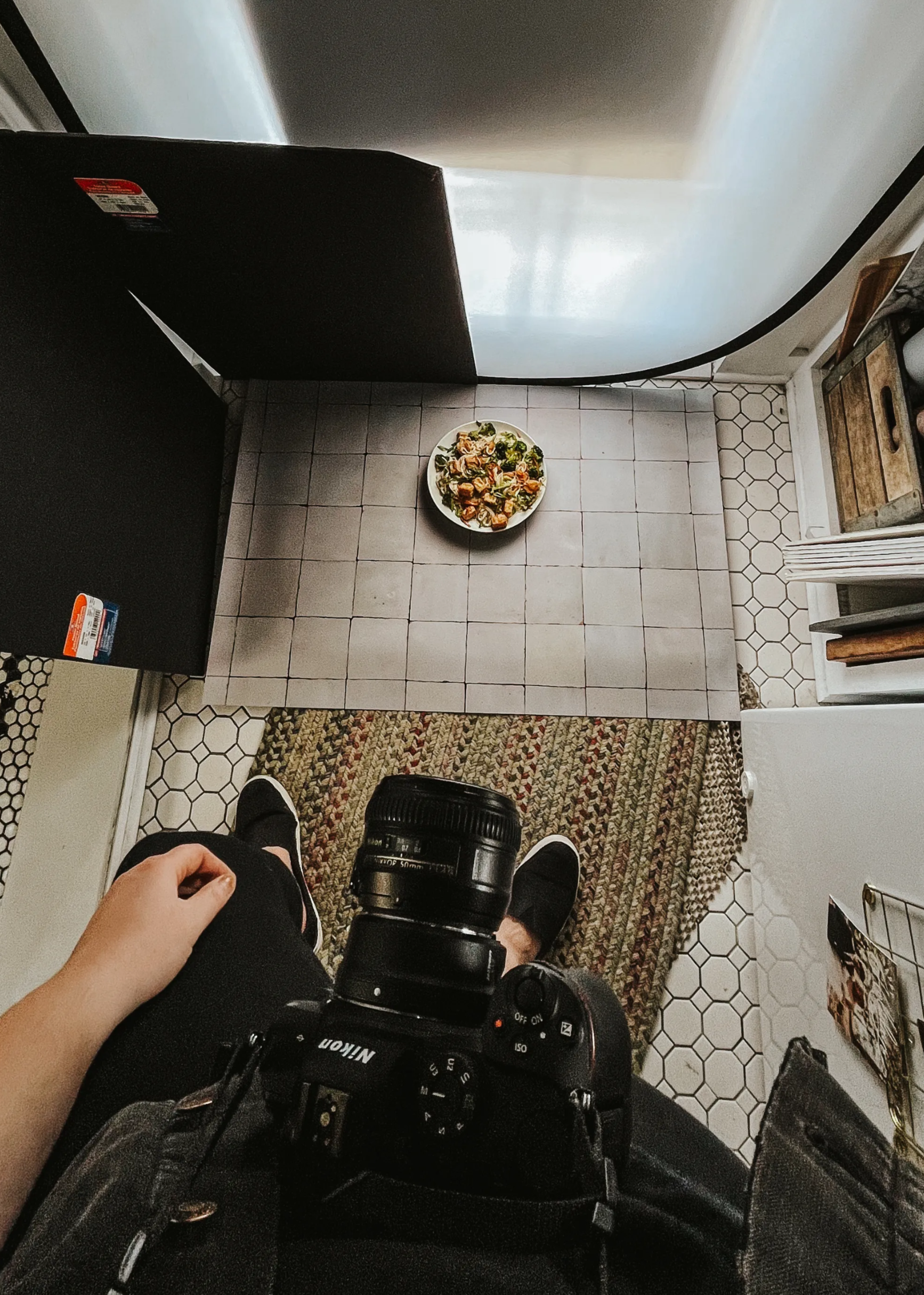
to photograph and/or film. The natural light is the only tool you’ll need, and it’s free. It doesn’t need to be a big window, or multiple windows, although the bigger they are the more flexibility you’ll have. If there’s a lot of shadow, you can use any large white surface (like a white foam board or white paper) to reflect the light from the window onto the shadow.
turn off the overhead lights
If I could make all restauranteurs do one thing, it would be this. Food needs natural light, or very skilled artificial light, and mixing indoor and outdoor lights creates bad color balance on your food, crucial to making it look appetizing.
be mindful of the background
Are there any pieces of trash, charging cables, or other distracting items in your shot? Clear out anything unnecessary, to make your food the focus.
use angles smartly
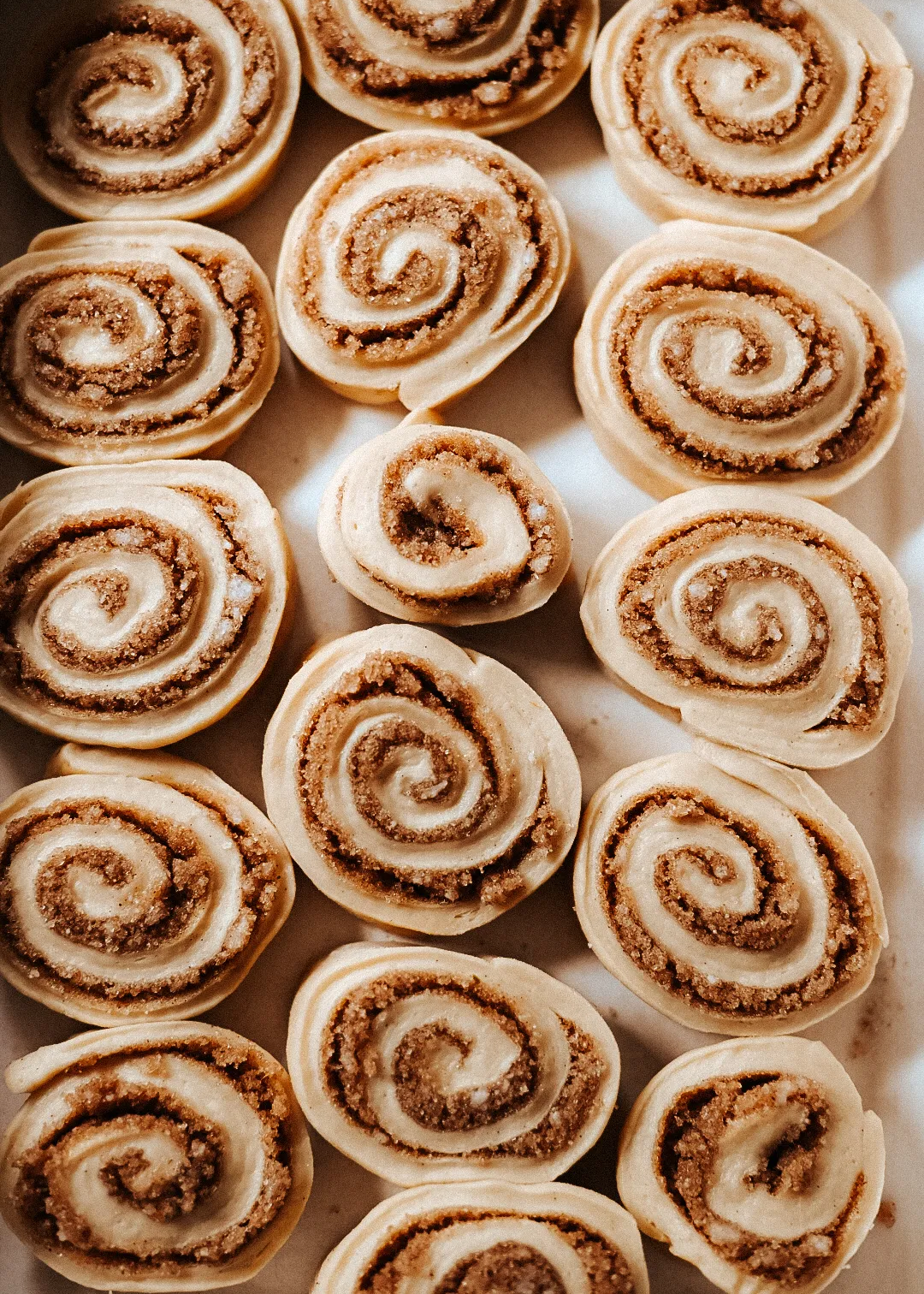
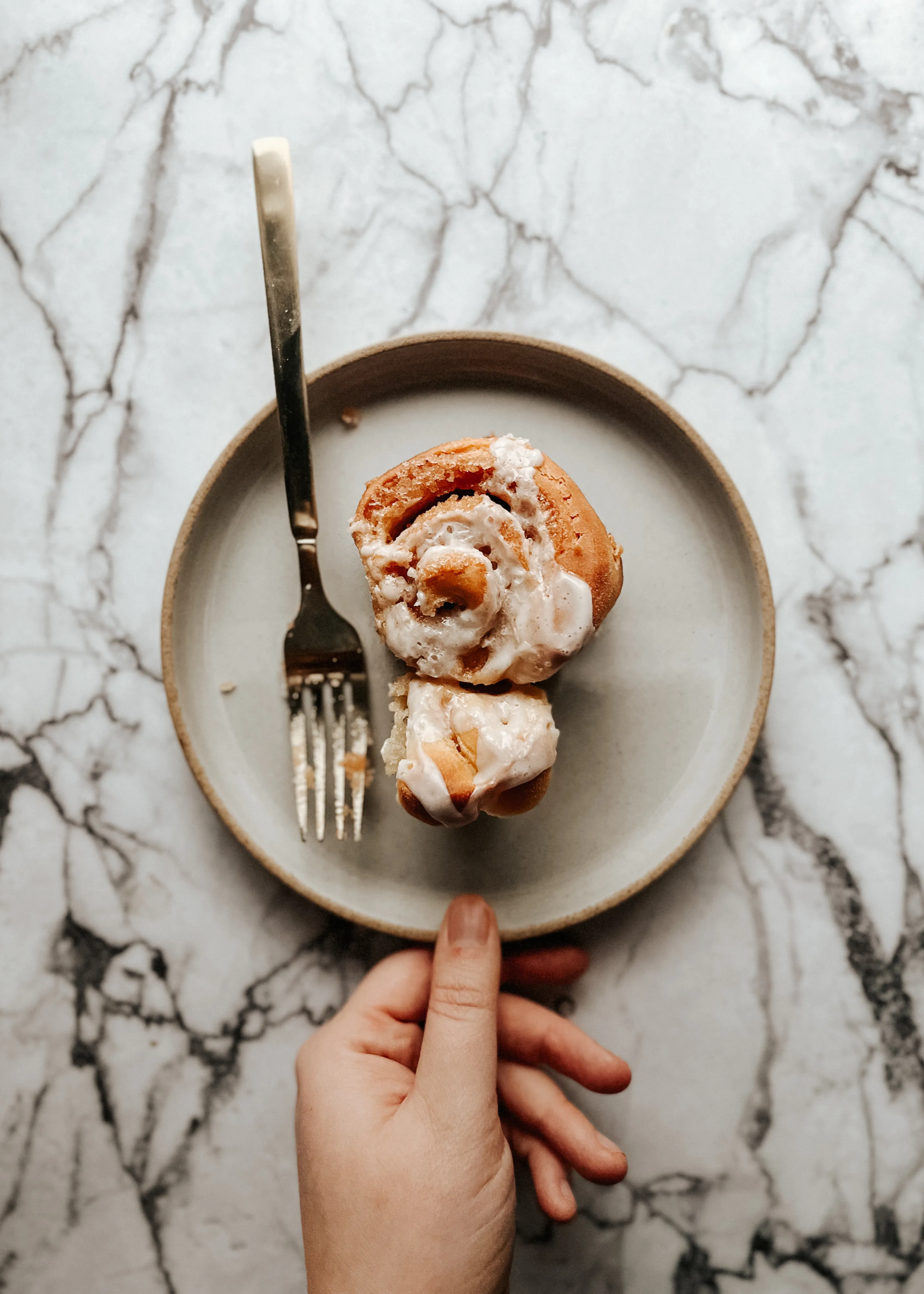
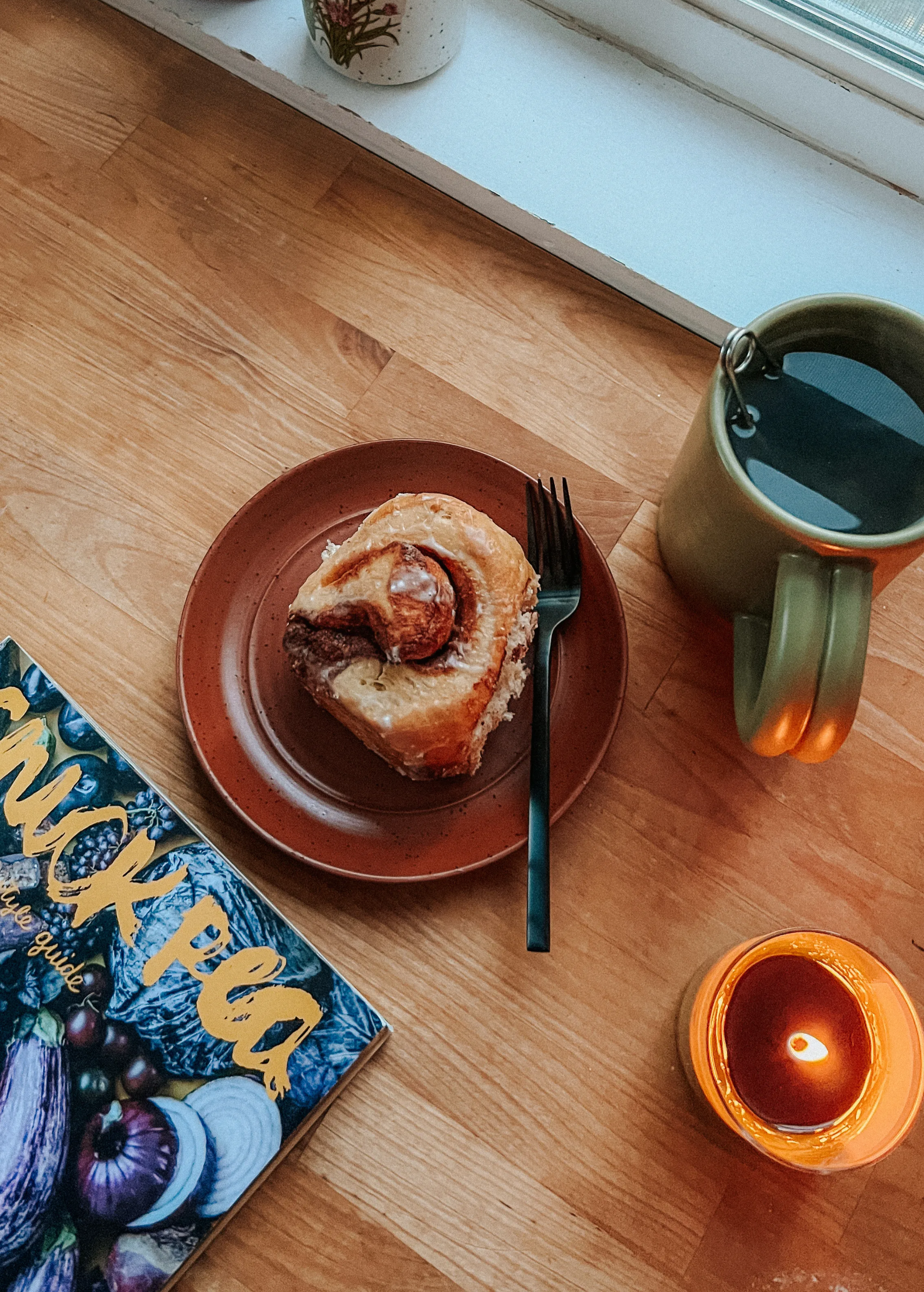
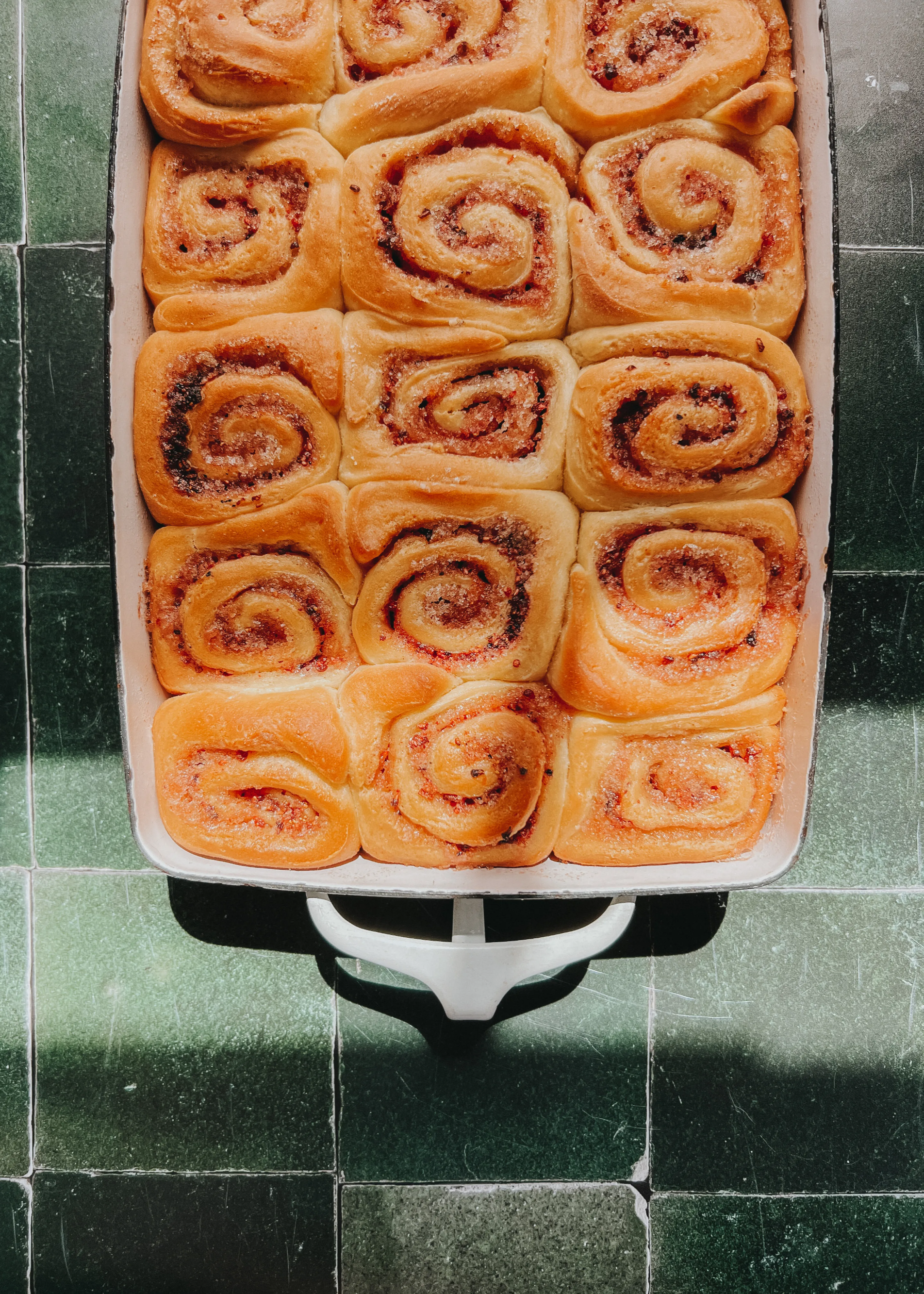
Some food just lends itself to certain angles – pizza is flat, so overhead makes sense. Burgers are tall, so maybe from the front would be better for those.
To prevent distortion and for a better look, use just a few angles:
from overhead
45° from the front
45° from the front + side
from the front - turn your phone upside-down to get a better angle
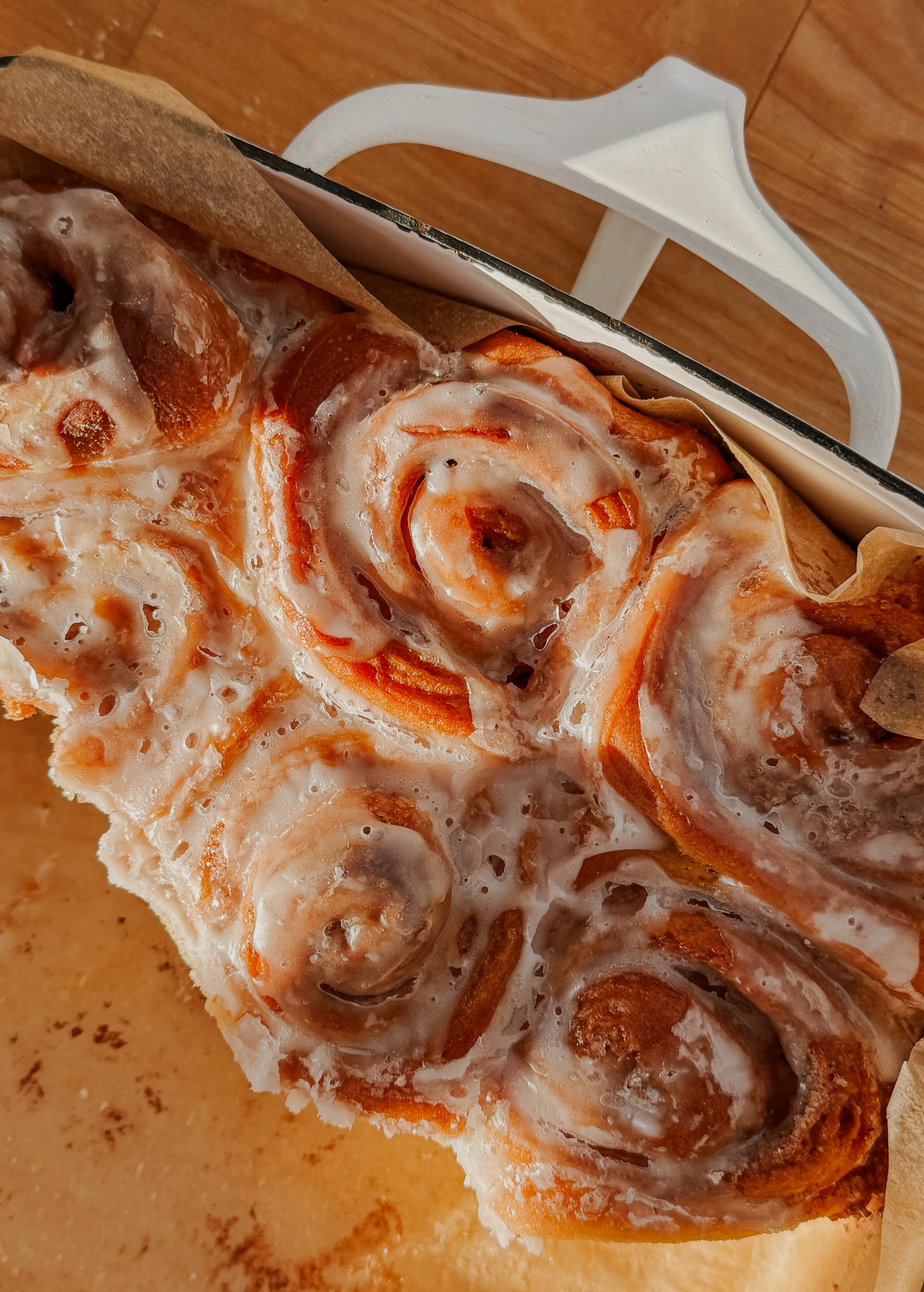
close up - fill the frame with food
medium distance - with the food, a fork, a drink
further away - in your space, with other dishes
further away at a different angle
photos you can get
for every item you want to share:
shots of making the food
shots of plating/slicing the food
shots of the final meal (using the angles shown above)
someone (even you) putting a fork (or any utensil) into the food
the food with other dishes
at different locations in your space (in good light!)
video clips you can get
slowly pan left to right across the food
keep the camera still and let the food move (drips, melting, steam, the light coming across it)
someone (even you) putting a fork (or any utensil) into the food
shots of making the food
shots of plating/slicing the food
walking the food through your space, to set on a table
start close-up on a specific dish, moving upward to capture the entire tablescape
take it a step further
These are good basics to learn, but if you find yourself scrolling at night anyway, you can bookmark videos that you might find you can emulate for your business. Maybe it’s a new trend, maybe it’s a video you can easily make from a few clips throughout the week. You can take the skills you learned by doing basic shots and adapt to new styles, without ever needing AI.
if you’re not a designer
I’m more of a photographer than designer, but there are SO many ways to make designs with your images, for free or very cheap.
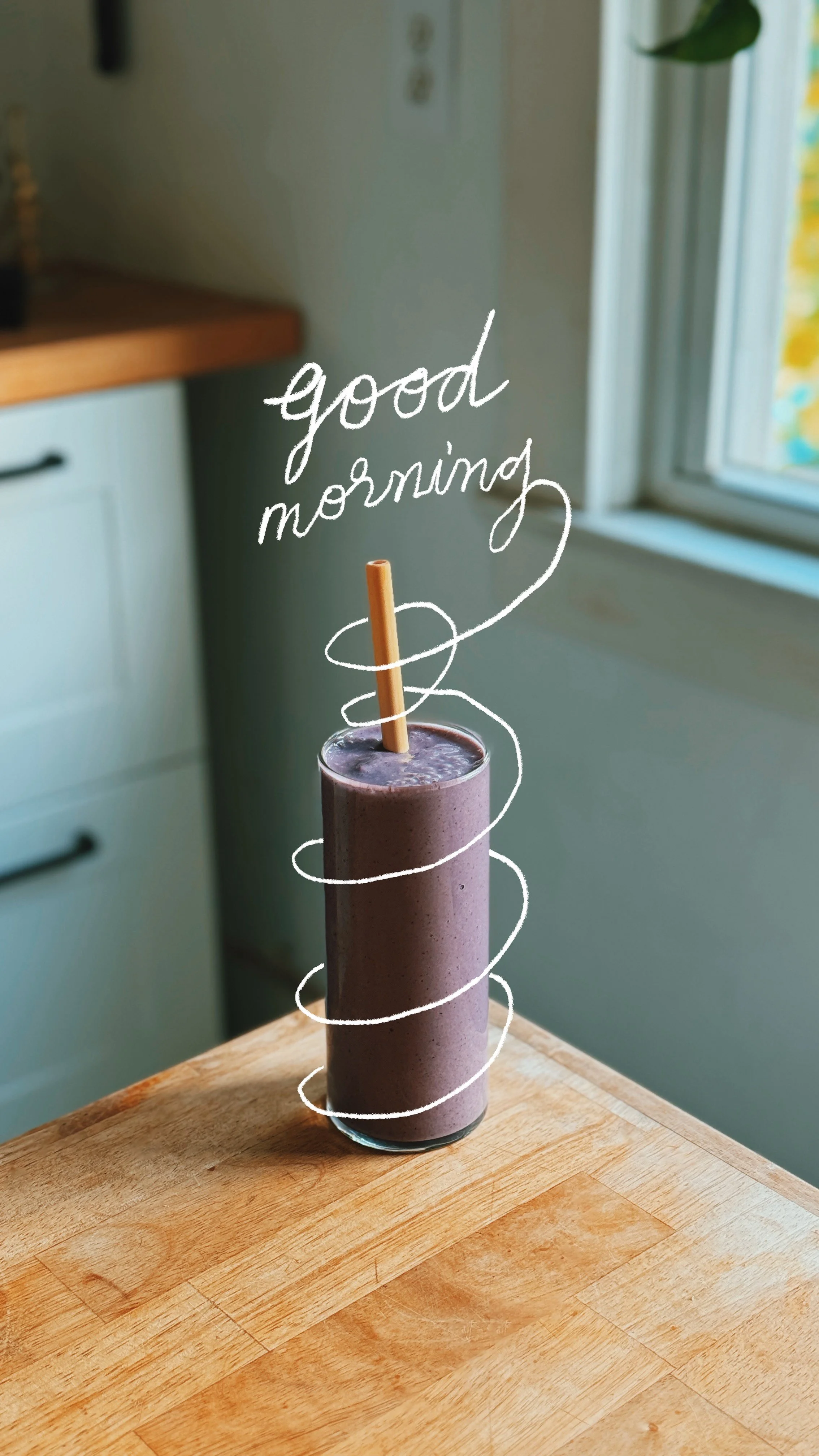
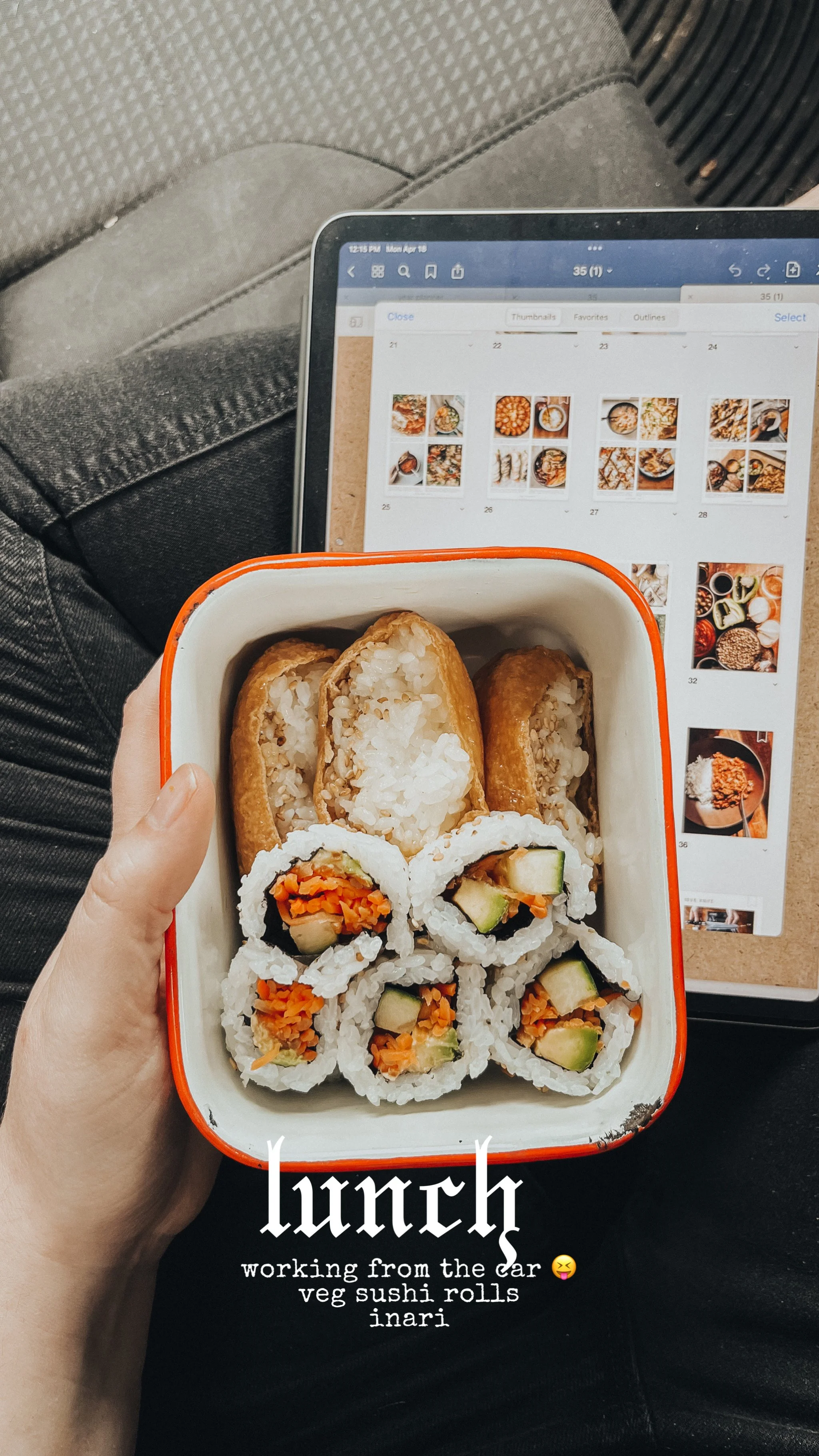
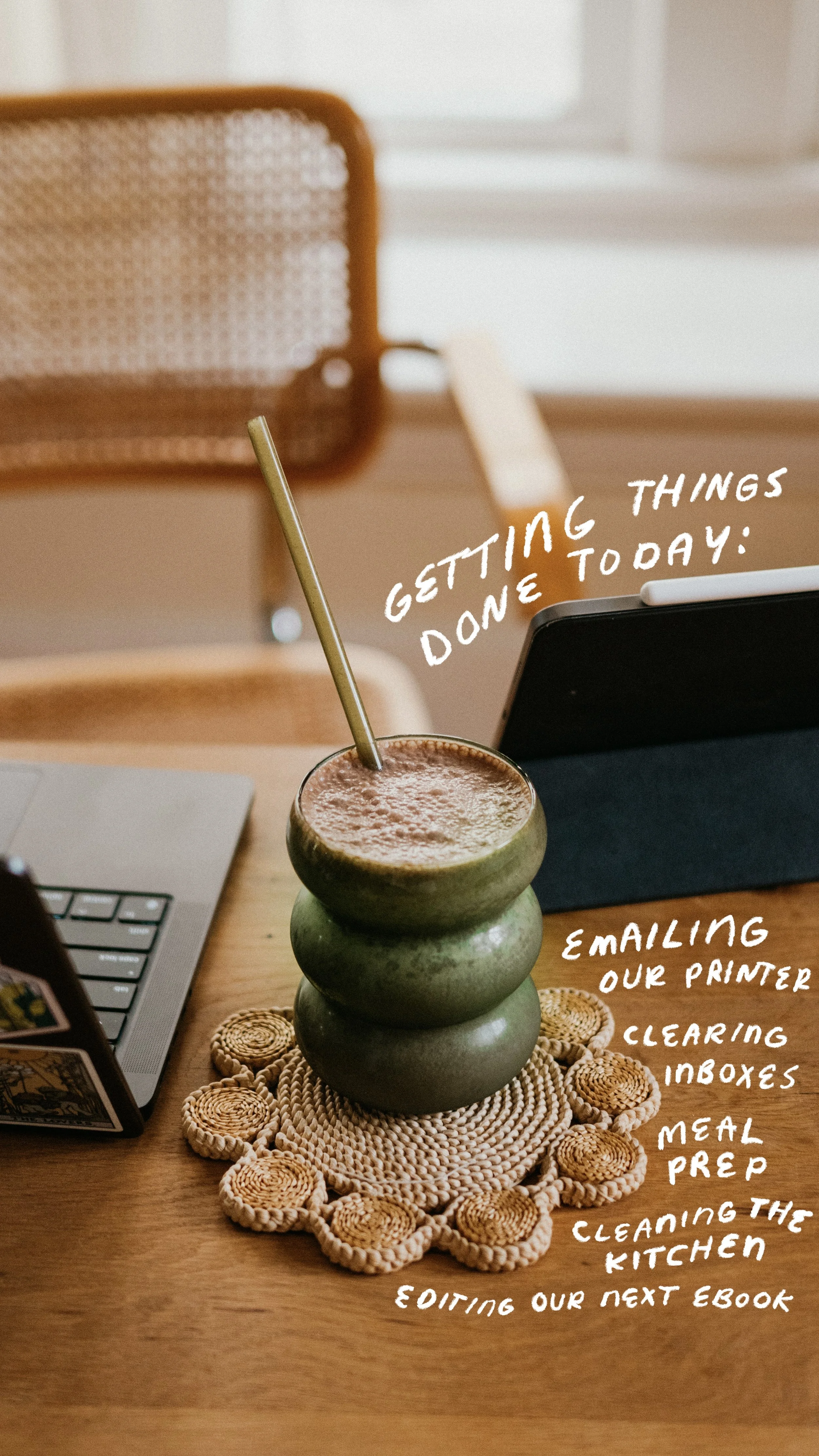
use the built-in photo editor, and use Instagram to add text to your images. use the Edits app (by Instagram) to put together video (and carousels) easily. (all of the above were just written/drawn with a stylus in the IG app.)
use the free version of Canva for designing posters - here’s a quick tutorial for beginners
use a free Powerpoint app – it’s accessible and easy to use for quick designs. just export as jpgs!
For basic design tips, mostly just make sure the most important info in a large font, then make the fonts smaller as you go. Keep colors minimal and/or within your business’s color palette. Use the same (or similar) fonts each time to keep it cohesive.
in conclusion
Going forward, gaining trust with your customers is going to be by sharing authentically. Be prepared to share yourself and what you love to do, whether that’s on the side of a food truck or in a post on Facebook. With just a little effort, that you’re already spending on coming up with AI prompts, you can find new ways to stand out among the AI wave.
I’ve been photographing food for over 15 years now, and have worked with many kitchens, and taught many food photo workshops, on top of my work making & marketing Chickpea Magazine. If you don’t have time, and don’t have expertise, but want better marketing materials that are true to your brand, consider hiring me to shoot a month’s worth of content. You give me what you want photographed/filmed, I make a shot list, do all the shooting and editing, and you just fill in the rest.